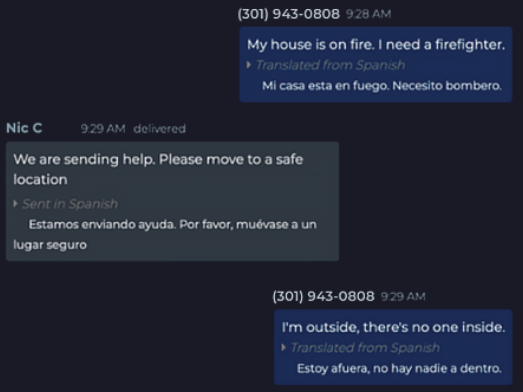
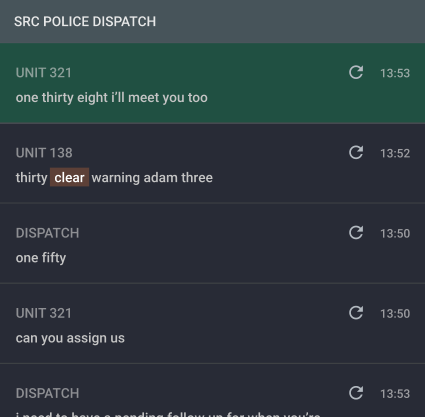
Redact names, phone numbers, and addresses automatically—so FOIA-ready audio takes minutes, not hours.
Public safety agencies face increasing FOIA and public records requests—without additional staff or time. Automated PII Audio Redaction helps agencies quickly remove sensitive information like names, phone numbers, and addresses from recorded audio, reducing manual review time while protecting privacy and compliance.
FOIA and public records requests aren’t slowing down.
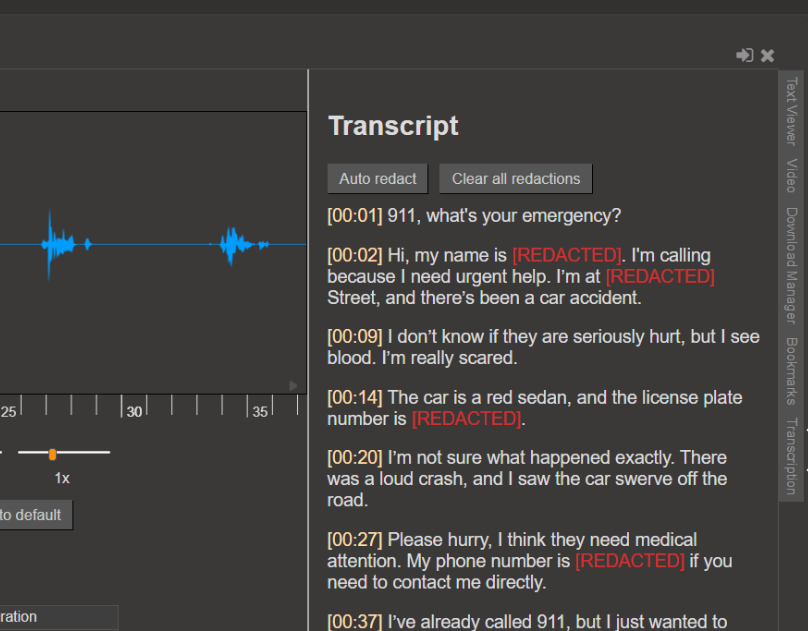
Identifies and removes sensitive data like names, phone numbers, addresses, and more—without human intervention.
Manual scrubbing is tedious, inconsistent, and hard to staff.
Eliminates the need for manual audio scrubbing, freeing up staff to focus on mission-critical tasks.
Recordings can be difficult to find.
Automatically pairs redacted audio with searchable transcripts, allowing faster validation, review, and retrieval without replaying entire recordings.
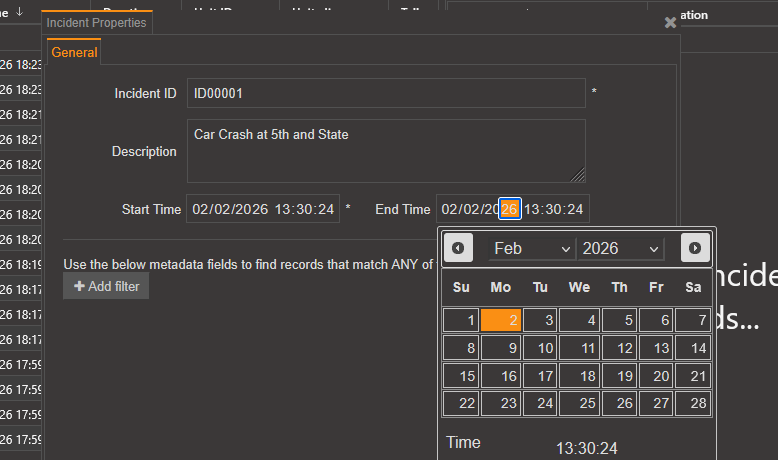
Audio lives in multiple systems and formats.
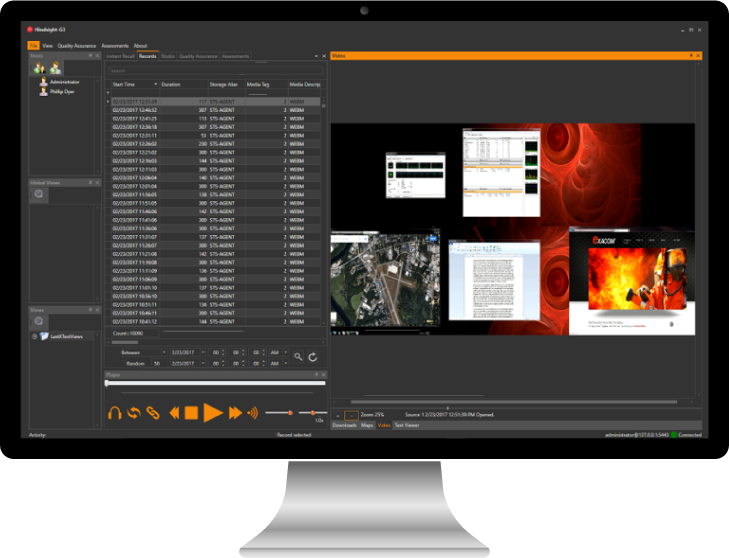
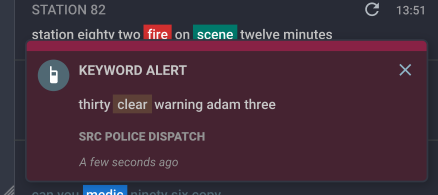
Applies consistent redaction across recorded audio from dispatch, call centers, and field communications—without changing existing workflows.
How It Works
Detect PII in audio (names, phone numbers, addresses)
Redact automatically (generate a shareable version)
Review fast with transcript-linked markers
Built for Real Public Safety Workflows
Automated PII Audio Redaction works across audio sources including dispatch, call centers, and field communications. Redacted audio is securely stored and paired with searchable transcripts, making review, retrieval, and sharing faster and more consistent.
FAQ
Yes. The feature is built to support FOIA and public records workflows common in public safety agencies.
Automated redaction significantly reduces manual effort while still allowing review and validation.
Recorded audio from dispatch, call handling, and field communications.
The workflow is designed for public safety environments handling sensitive criminal justice information.